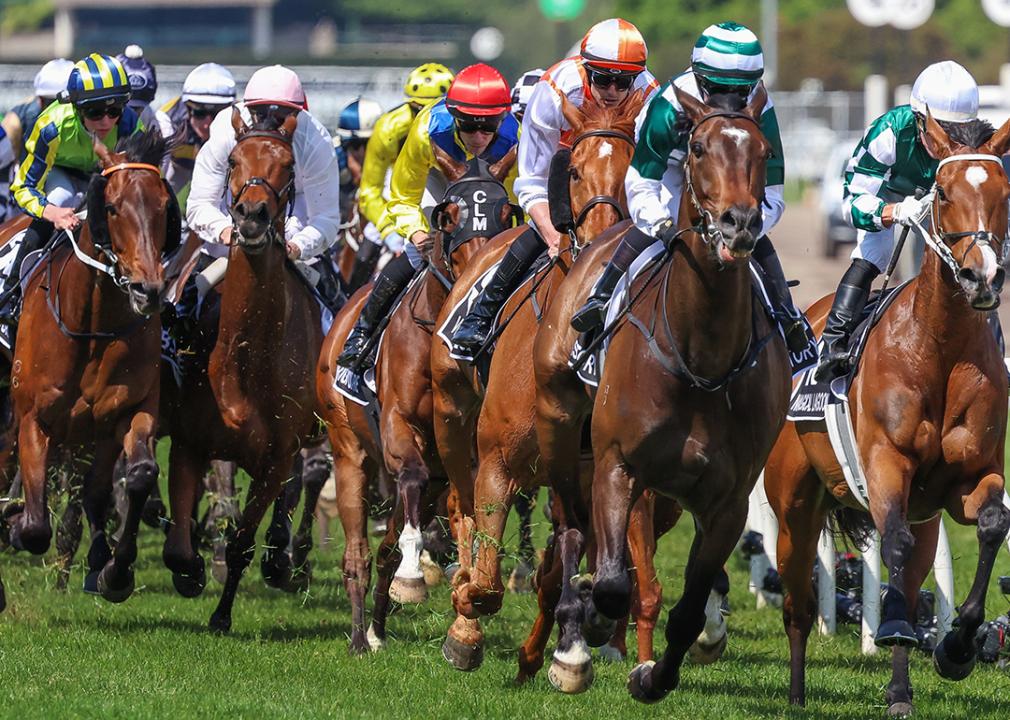
Historically, the betting parlor was a place of scarcity. Information was scarce, updated manually on chalkboards or magnetic strips. Visuals were grainy, limited to a single CRT monitor per track. The bettor's edge was defined by who could decipher the noise fastest. The atmosphere was often an afterthought, a utilitarian space designed solely for the transaction.
The modern "Velvet" standard flips this paradigm entirely. We have moved from scarcity to curated abundance. The challenge now isn't finding data—it's processing it. Today's elite simulcast lounges are designed as cognitive cockpits, removing friction between the handicapper and the decision. It is no longer just about the race; it is about the sanctity of the experience, the clarity of the feed, and the comfort of the spectator.
1. The Death of Latency
In the algorithmic age, a delay of three seconds is an eternity. Early satellite feeds introduced significant lag, creating a disconnect between the "live" race and the betting pool closure. This "past-posting" anxiety was a constant ghost in the machine of old-school simulcast facilities.
Modern infrastructure utilizes IP-based fiber streams that reduce latency to sub-second benchmarks (often < 200ms). This creates synchronicity. When the gate opens on screen, the pools lock on the terminal. This precision eliminates the anxiety of the lockout and builds trust in the integrity of the wager. At the Velvet Track Club, we treat bandwidth as a utility as vital as electricity; it allows the seasoned handicapper to read the pre-race warmups in real-time, catching subtle behavioral cues that a delayed feed would obscure.
2. High-Fidelity Intelligence
The "Board" has evolved from a static list of numbers to a dynamic data visualization tool. In the past, reading the tote board required a specific vernacular and visual acuity. Today, we democratize that data through design.
- Contextual Odds: Displays now highlight rapid pool movements (smart money) in real-time colors, allowing novices to see trends that only experts previously spotted.
- Visual Clarity: With 4K definition becoming standard, bettors can inspect a horse's coat condition, sweat patterns, and gait in the paddock with unprecedented detail.
- Unified Feeds: Scratches, jockey changes, and track conditions push instantly to private terminals, removing the need to scan a room for whiteboard announcements or listen to garbled PA audio.
The Spatial Strategy
"Architecture shapes behavior. A cramped room creates panic betting. A spacious, lounge-style environment allows for the 'pause'—the moment of reflection that separates a gamble from a calculated risk."
3. The Architecture of Social Strategy
There is a misconception that the serious handicapper wants isolation. In reality, the racebook is a communal hub. The modern layout acknowledges this by creating "zones of engagement." We have moved away from rows of theatre seating, which isolate individuals, towards modular lounge groupings.
This layout encourages the exchange of information—the shared tip, the collective groan at a photo finish, the debate over a stewards' inquiry. By designing spaces that facilitate conversation without sacrificing the view of the screens, we transform the venue from a transaction hall into a club. The lighting is kept intentionally ambient—bright enough to read the Daily Racing Form, but dim enough to reduce eye strain over a long card.
4. The Frictionless Terminal & The Hybrid Handshake
The physical act of betting has been refined to muscle memory. Modern terminals utilize capacitive touchscreens with high refresh rates, mimicking the responsiveness of a high-end smartphone. But the innovation goes further.
The integration of "Bring Your Own Device" (BYOD) technology means the lounge experience is hybrid. A guest can analyze the race on the 100-inch main wall while placing the wager on their personal tablet, connected via the venue's secure intranet. The UX design focuses on the "Three-Tap Standard": Track, Amount, Wager. By simplifying the input mechanism, the technology fades into the background, allowing the player to focus entirely on their handicap.
5. Hospitality as a Stabilizer
Perhaps the most significant evolution is the integration of high-end hospitality. The "Lounge" model—featuring table service, premium mixology, and comfortable seating—does more than attract a crowd. It changes the pace of the room.
When a guest can sit back with a crafted cocktail and a curated meal, they are less likely to engage in "machine-gun" betting (rapid, impulsive wagering to relieve boredom). The environment encourages a rhythm: analyze, wager, watch, relax, repeat. It transforms wagering from a frantic loop into a social leisure activity. The menu itself is designed for the setting—finger foods that don't require cutlery, allowing one hand to remain free for the program or the terminal.
6. Engineered Responsibility
Technology also empowers safer play. Modern systems allow for discreet access to self-limiting tools and budget tracking directly at the terminal interface. The goal of the modern racebook is sustainability—keeping the player in control. The staff are trained not just in service, but in recognizing the signs of fatigue, ensuring that the lounge remains a place of enjoyment, not stress.
Play with Precision & Control
Gambling is entertainment, not a financial strategy. If you or someone you know needs assistance, confidential help is available 24/7.
Disclaimer: Content intended for audiences 18+ only (or 21+ depending on jurisdiction). Please wager responsibly.